Florida DEP Central District and Asbestos Abatement: A Practical Guide for Local Property Owners
If you own property in Central Florida, asbestos can move from a vague worry to a very practical problem fast. A planned remodel uncovers old floor tile. A roof leak softens ceiling material. A storm tears into siding. A small plumbing failure turns into a larger tear-out project, and suddenly the question is no longer whether the building is old. It is whether any of those materials could release fibers when disturbed.
For owners in Lake, Orange, Seminole, and Osceola counties, that question falls squarely within the Florida DEP Central District asbestos program. The point of that program is straightforward: minimize the release of asbestos fibers during abatement, remediation, handling, and disposal of asbestos-containing materials. That goal matters whether you own a single rental house in Groveland, a small retail building in Lake County, or a family home that has been patched and remodeled over several decades.
The tricky part is that asbestos issues rarely show up alone. In this part of read more the state, they often arrive attached to moisture, mold, smoke, or storm damage. A property owner dealing with asbestos abatement Groveland FL may also be staring at wet drywall, hidden HVAC mold, or a room that still smells like smoke after a small kitchen fire. It helps to understand how these problems overlap, because the wrong first move can complicate the rest of the job.
Why asbestos becomes a local issue so often
Older homes and buildings may contain asbestos in materials that many owners do not think twice about until demolition starts. EPA guidance notes that asbestos may be found in items such as floor tile, ceiling tile, pipe wrap, siding, or shingles. Those are not exotic materials. They are ordinary building components, especially in structures that have been standing long enough to see multiple owners and several generations of repairs.
In day-to-day ownership, asbestos usually stays hidden until something disturbs it. Renovation is a common trigger. Damage is another. A bathroom leak can force removal of damp walls and flooring. A hurricane season roof issue can expose attic spaces and ceiling assemblies. Even a small commercial tenant improvement can involve cutting, drilling, or pulling up materials that have sat undisturbed for years.
That is why experienced property owners do not treat asbestos as a demolition detail. They treat it as a planning issue. Once materials are broken, sawed, scraped, or crushed, the risk changes. EPA guidance is very clear on the practical point: if material is damaged or if renovation could disturb it, a properly trained and accredited asbestos professional should be involved.
That advice saves money as often as it prevents trouble. I have seen owners lose more by rushing than by pausing. A weekend remodel can turn into a far more expensive cleanup when someone tears into suspect flooring without first understanding what it is. The waste stream changes, the work area changes, and the timeline changes with it.
What the Florida DEP Central District means for property owners
For local owners, the Central District matters because it is the district that covers Lake, Orange, Seminole, and Osceola counties. If your building is in that area, that is the regional regulatory context for asbestos abatement work.
You do not need to become a regulatory expert to make good decisions, but you do need to grasp the basic purpose of the program. The state’s asbestos program is designed to reduce fiber release during abatement, remediation, handling, and disposal. That broad scope is important. It is not only about removal inside the building. It also touches what happens as materials are contained, moved, and discarded.
This is where many otherwise careful owners make a judgment error. They focus on the room where the damaged material sits and forget the path that debris takes from wall or floor to bag or container, then out of the building and onward. Containment and handling are not side issues. They are part of the same safety picture.
Renovation, damage, and the moment you should slow down
Most asbestos problems begin with one sentence: “We were just going to open it up and see what was behind there.”
That sentence can apply to a homeowner replacing dated vinyl tile, a landlord repairing a tenant turnover unit, or a church board trying to address stained ceiling materials after a leak. Once the work involves disturbing suspect materials, the smart move is to stop guessing.
There are a few situations where that pause matters especially:
- You are planning renovation in an older home or building where floor tile, ceiling tile, siding, shingles, or pipe wrap may be present.
- The material is already damaged, friable-looking, cracked, soaked, or falling apart.
- Storm, fire, or water damage has forced partial demolition.
- A contractor wants to cut, drill, sand, scrape, or remove suspect materials.
- You are dealing with a mixed-loss event, such as water plus mold or fire plus demolition, where damage is spreading the scope of work.
That pause is not indecision. It is what keeps a straightforward repair from becoming a contaminated cleanup project.
The overlap between asbestos and water damage in Central Florida
In this region, water is often the event that exposes everything else. A failed water heater, a roof leak during summer storms, or floodwater after severe weather can force materials to be opened and removed quickly. Water damage restoration Central Florida work often begins under time pressure because standing water and saturation cannot wait.
At the same time, water-damaged buildings create a second clock. Florida health guidance notes that mold is strongly linked to moisture, and standing water for even 24 hours can allow common molds to take hold. That short window matters. Owners are often balancing two very real needs that seem to compete with each other: move fast enough to dry the property, but not so fast that suspect asbestos-containing materials are disturbed carelessly.
This is where judgment and sequencing matter more than speed alone. Drying a home and removing water-damaged items is a key step after flooding. That is well established. But “remove” does not mean “tear out blindly.” It means the restoration plan has to account for the nature of the materials being affected.
A common example is a leak that runs from an upstairs bathroom into first-floor ceiling material and then onto older floor tile below. The moisture issue is urgent. The mold risk is real. Yet the path to drying and repair may still require a trained asbestos professional if those building materials are suspect and likely to be disturbed.
Owners who have lived through this once usually come away with a more mature view of emergency work. Fast is good. Controlled is better.
Mold changes the decision-making, but not the need for caution
Local owners often ask whether mold becomes the bigger issue once water enters the building. Sometimes yes, but it does not erase the asbestos question. It just adds another layer.
Florida health guidance advises keeping indoor humidity below 60 percent. If mold returns quickly, the moisture source should be fixed first. That sounds simple, but in practice it can be frustrating. A room may look dry on the surface while hidden cavities, damp insulation, or an underperforming HVAC system continue feeding the problem.
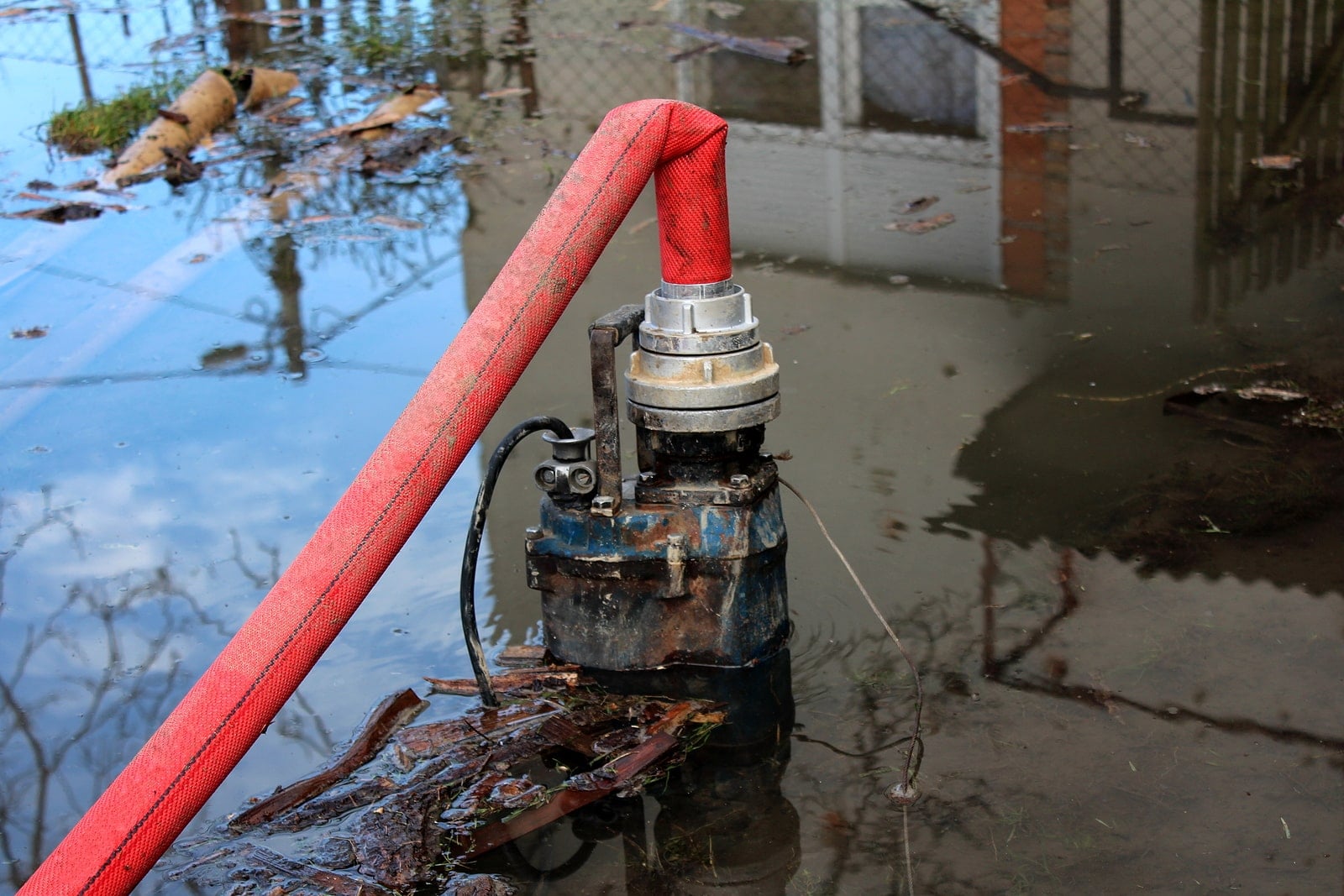
That is why mold remediation Lake County projects often reveal building issues that had been developing quietly for months. The visible mold patch on a closet wall may be the symptom. The real issue may be an unresolved leak, poor drying after a previous water event, or an air-conditioning system struggling to control humidity.
Asbestos and mold can also collide during demolition planning. Suppose a leak behind a wall has led to mold growth, but the wall system or nearby flooring may contain asbestos. The answer is not to ignore mold. Prompt removal matters. The answer is to address the work in a way that does not create a second hazard while solving the first.
If the central HVAC system needs a dehumidifier to get below 60 percent relative humidity, Florida health guidance says the air conditioning system should be examined for problems. That is a useful clue for owners. A persistent humidity problem is not just a comfort issue. It may be evidence that moisture control in the building is not working as it should.
HVAC mold is where many owners underestimate the complexity
HVAC mold worries property owners for good reason. Once contamination involves the system that moves air through the building, people feel it immediately, even before they can prove exactly what is happening. The odor changes. Occupants complain about mustiness. Dust patterns look different. Humidity feels heavy.
Florida health guidance advises consulting EPA guidance before taking further action if HVAC may be contaminated with mold. That caution makes sense. HVAC systems are not just boxes with vents. They are distribution systems. Work done improperly can spread contamination rather than control it.
This is also where the value of IICRC-certified remediation becomes easier to understand. The IICRC publishes standards relevant to water damage restoration, mold remediation, HVAC assessment after water, fire, or mold damage, and fire and smoke damage restoration. For an owner, the practical takeaway is not memorizing standard numbers. It is knowing that restoration disciplines have recognized frameworks, and those frameworks exist because mixed-loss situations are easy to mishandle.
A water loss affecting an air handler or ductwork is not the same as a simple puddle on tile. A mold issue inside HVAC components is not the same as wiping a bathroom vent cover. Owners who treat those problems as handyman work often spend more later correcting partial or ineffective fixes.
Fire, smoke, and why asbestos questions can surface afterward
Fire damage restoration creates its own form of urgency. Soot residue, odor, damaged finishes, and business interruption push owners toward quick cleanup decisions. Yet even a modest fire can require opening walls, removing charred materials, or pulling out old ceiling and floor assemblies. In older buildings, that can bring asbestos concerns right back into view.
The same principle applies here as with water losses: the damage event may be new, but the suspect material was already in the building. Fire did not create the asbestos issue. It exposed the need to handle the building materials correctly during repair and disposal.
Odor elimination after fire is another area where owners can focus on the symptom rather than the damaged structure. If smoke-damaged materials remain in place, deodorizing alone may not solve much. If those materials are older and suspect, they still need to be assessed before removal. The work sequence matters.
Storm season changes the tempo of every restoration decision
Storm damage restoration Florida work has a different rhythm from ordinary repairs. After hurricanes or severe storms, contractors are stretched, materials are delayed, and owners feel pressure to make immediate decisions. That is understandable. It is also when discipline matters most.
Floodwater, roof failures, and wind-driven rain can affect multiple assemblies at once. Drying and cleanup need to start quickly. CDC disaster cleanup guidance emphasizes safe cleanup after storms and highlights the importance of drying homes and removing water-damaged items to prevent mold damage. In practice, that means acting with urgency while still respecting what the building may contain.
I have seen owners make one of two opposite mistakes after storms. Some freeze and do nothing, afraid to touch anything. Others authorize wholesale tear-out before anyone has slowed down enough to identify suspect materials. Neither extreme serves them well. The better path is focused, informed action.
The role of trained professionals, especially when the loss is not simple
A lot of property problems sound simple over the phone and turn complicated on site. “A little leak” turns into wet insulation, mold growth, and damaged tile. “Minor fire damage” turns into soot in the HVAC system. “Just a bad smell” turns into a source issue requiring biohazard cleanup or moisture correction before odor elimination will stick.
When asbestos may be involved, trained and accredited asbestos professionals belong early in the conversation if materials are damaged or if renovation will disturb them. That is the cleanest line from EPA guidance, and it is the one owners should remember.
On the restoration side, it also helps to work with teams that understand how losses overlap. IICRC-certified remediation matters most when the project is messy, not when it is easy. Standards tied to water, mold, HVAC, and fire damage exist because sequencing, containment, drying, cleaning, and verification are all connected.
That does not mean every property event requires the same level of response. A small isolated issue is not the same as a building-wide loss. But owners are usually better served by professionals who know when a simple job is actually not simple.
What to ask when you first start making calls
When owners are stressed, they often forget the most useful part of the first conversation: explaining the building history and what changed. A good initial call gets better when you can clearly describe the trigger event, the age or nature of the materials involved, and whether demolition has already started.
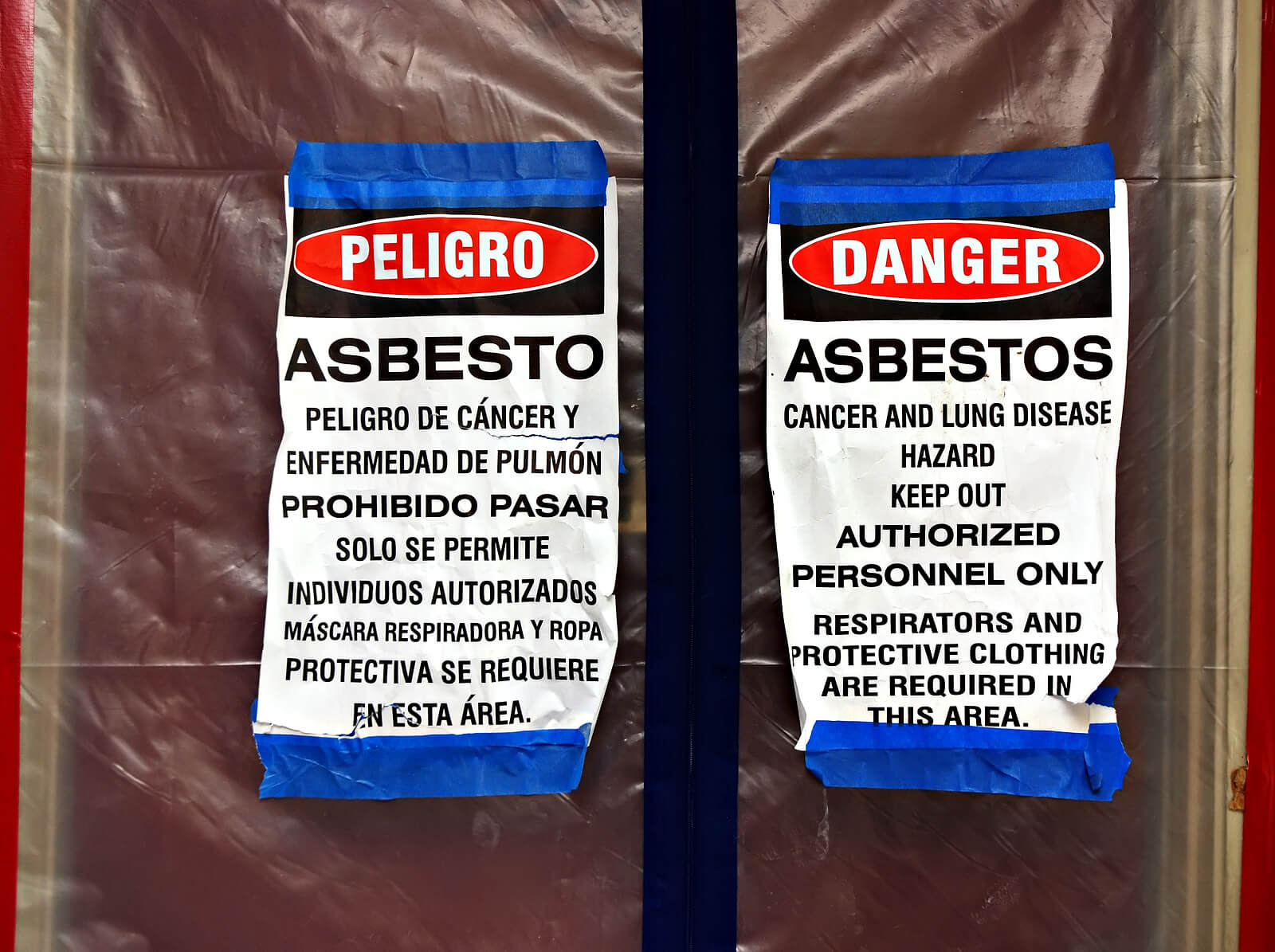
Have these details ready:
- What happened, renovation, leak, storm, fire, or another damage event.
- Which materials are affected, such as ceiling tile, floor tile, pipe wrap, siding, or shingles.
- Whether anything has already been cut, removed, or broken.
- How long moisture or standing water has been present.
- Whether the HVAC system may have been exposed to water, smoke, or visible mold.
Those five details can quickly change the response plan. They help separate a straightforward drying project from a more controlled remediation or abatement situation.
A realistic example from a local owner’s point of view
Picture a small rental house in Groveland after a tenant reports a soft bathroom floor and a musty smell in the hall closet. The owner discovers a slow plumbing leak has been feeding moisture for some time. The floor covering appears old. The closet wall has visible mold. The air feels damp, and the AC has been struggling to keep the home comfortable.
This is not one problem. It is several connected ones. There may be suspect flooring that should not be ripped out casually. There is a moisture source that must be repaired. There is likely mold growth tied to the prolonged dampness. There may also be an HVAC performance issue if humidity has remained high in the home.
The owner who tries to solve only the smell will fail. The owner who tears out everything immediately may create a bigger problem. The owner who steps back and sequences the work has the best chance of protecting the property and the budget.
That same pattern shows up in larger buildings too. Commercial owners often discover it when a tenant improvement project uncovers old materials after a prior roof leak or an isolated fire event. The scale changes, but the judgment does not.
The practical mindset that saves the most trouble
The most useful mindset for local property owners is simple: damage does not erase what the building is made of. It only forces you to deal with it.
In Central Florida, that means thinking in layers. First, what happened to the building? Second, what materials are involved? Third, what secondary issues are now in play, such as mold remediation Lake County concerns, HVAC mold, odor elimination, or fire damage restoration needs? Fourth, who needs to be involved so the fix does not create a new hazard?
That layered approach is especially valuable after storms, when 24/7 emergency restoration services are often needed to stabilize a property quickly. Emergency response and caution are not opposites. The best results usually come from crews who can move fast on moisture control and stabilization while recognizing when suspect materials require a different kind of handling.
Property ownership in this region always comes with a weather component. Heat, humidity, sudden leaks, and storm exposure are part of the job. The owners who do best are not the ones who panic least. They are the ones who know when a property problem has crossed from routine maintenance into specialized work.
For asbestos concerns in the Florida DEP Central District, that point usually arrives when suspect materials are damaged or when renovation or restoration will disturb them. Once you recognize that threshold, the rest of the decision-making gets clearer. Slow down, define the scope, bring in the right professionals, and treat the building as a system rather than a pile of separate symptoms. That is the practical path, and in my experience, it is the one that protects both people and property best.
EnviroTech Solutions
15380 CR 565A Suite E
Groveland, FL 34736
Phone: 321-758-9787
Website: https://envirotechsolutionsfl.com
EnviroTech Solutions provides asbestos abatement, mold remediation, water damage restoration, fire damage restoration, biohazard cleanup, odor elimination and storm and disaster restoration across Central Florida. 24/7 emergency service is available.
Ends · DAMAGECARE244